
When 12th Street Catering came to JWC in 2024, they were not facing a marketing problem. They were facing a clarity problem.
Forty years of success had been built on relationships, exceptional food, and a team that cared deeply about every event they served. But the brand was not keeping pace with the business. The photography was beautiful. The team was extraordinary. The experiences were singular. And yet, across the website, social channels, sales conversations, and marketing materials, each piece said something slightly different. There was no central idea holding it together.
This is a Brand Foundations problem. And it is the kind of problem that cannot be solved by better design, better copy, or a new campaign. It has to be resolved at the foundation — before anything downstream will work.
As we worked through discovery, client interviews, and internal alignment sessions with the 12th Street team, JWC ran its Tension System process and revealed the paradox at the center of the brand. Two, seemingly opposite ideas needed to be true at the same time.
12th Street was genuinely warm, approachable, and kind — the team you actually wanted to work with, the people who made you feel taken care of from the first phone call to the final send-off. But they were also competing in a regional market against caterers known for high-end sophistication and prestige. The expectation in their category was elevated, polished, aspirational.
They needed to be both approachable and extraordinary. And they had never resolved how those two things could live together in a single brand.
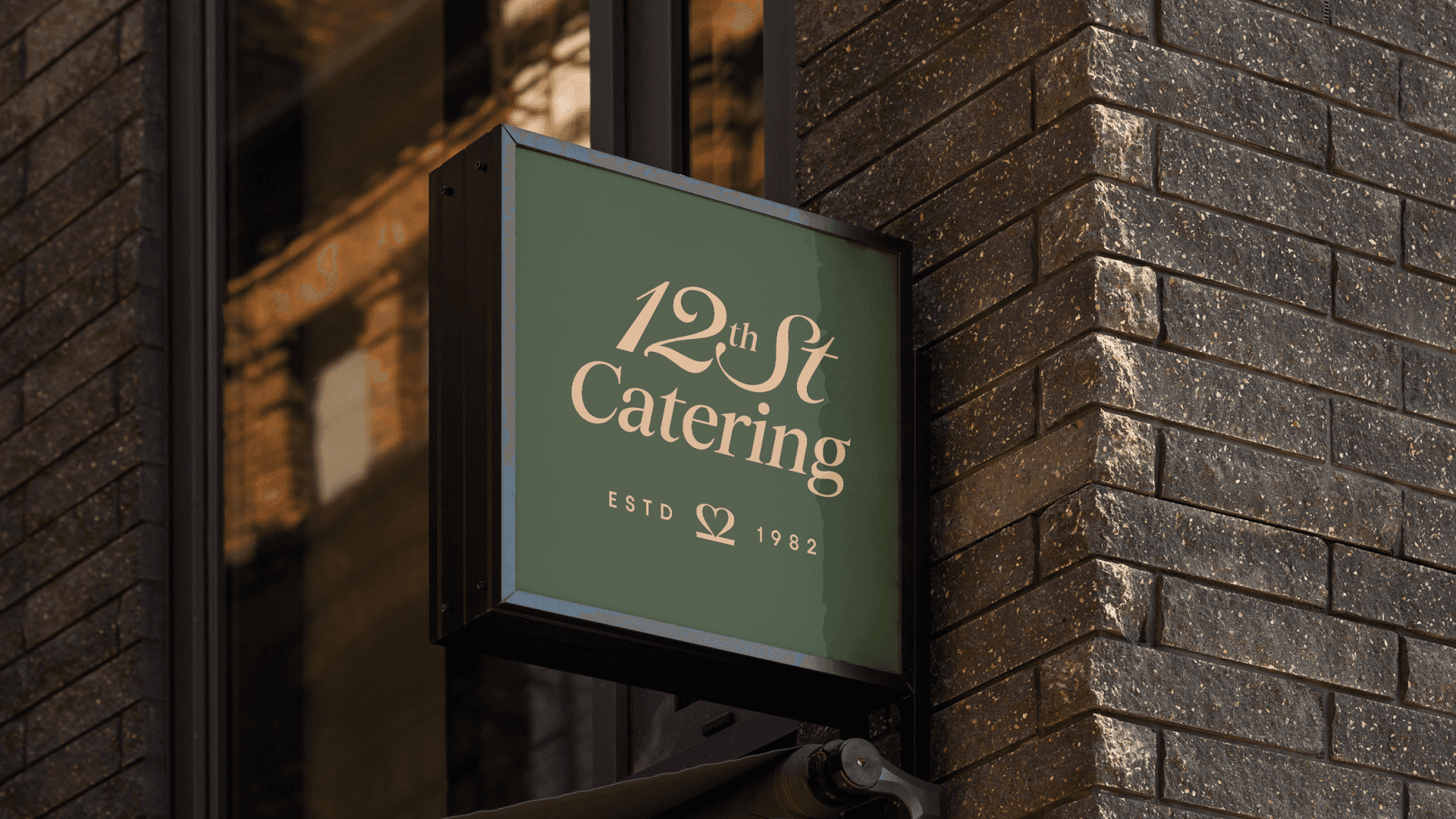


A pattern emerged quickly in those conversations. The things clients praised most were not the things the brand was emphasizing. Clients talked about the people. About the warmth. About the quiet, confident care that made an event feel effortless. The brand was underselling the very thing that made it distinctive.
That insight became the input to the next system.


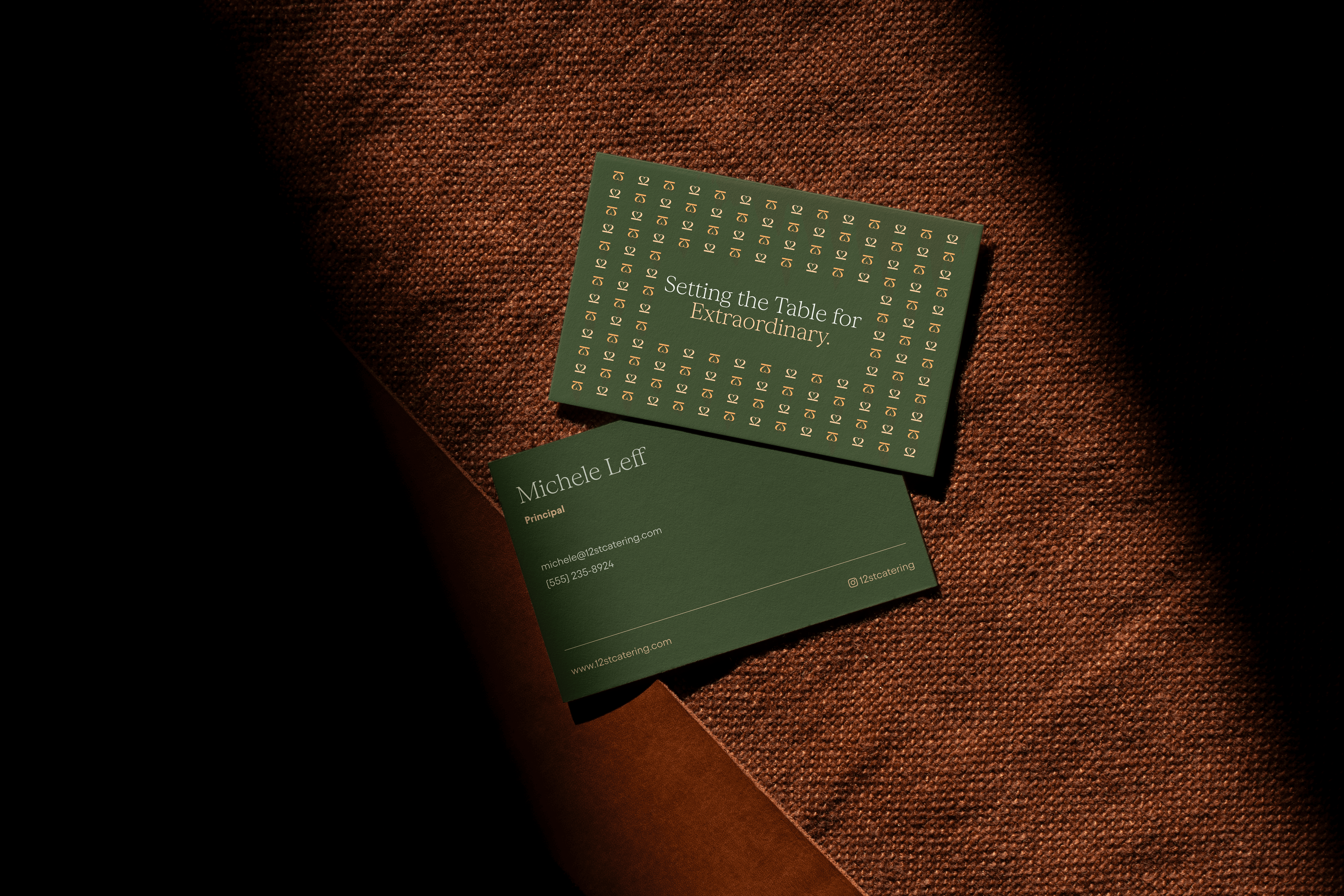
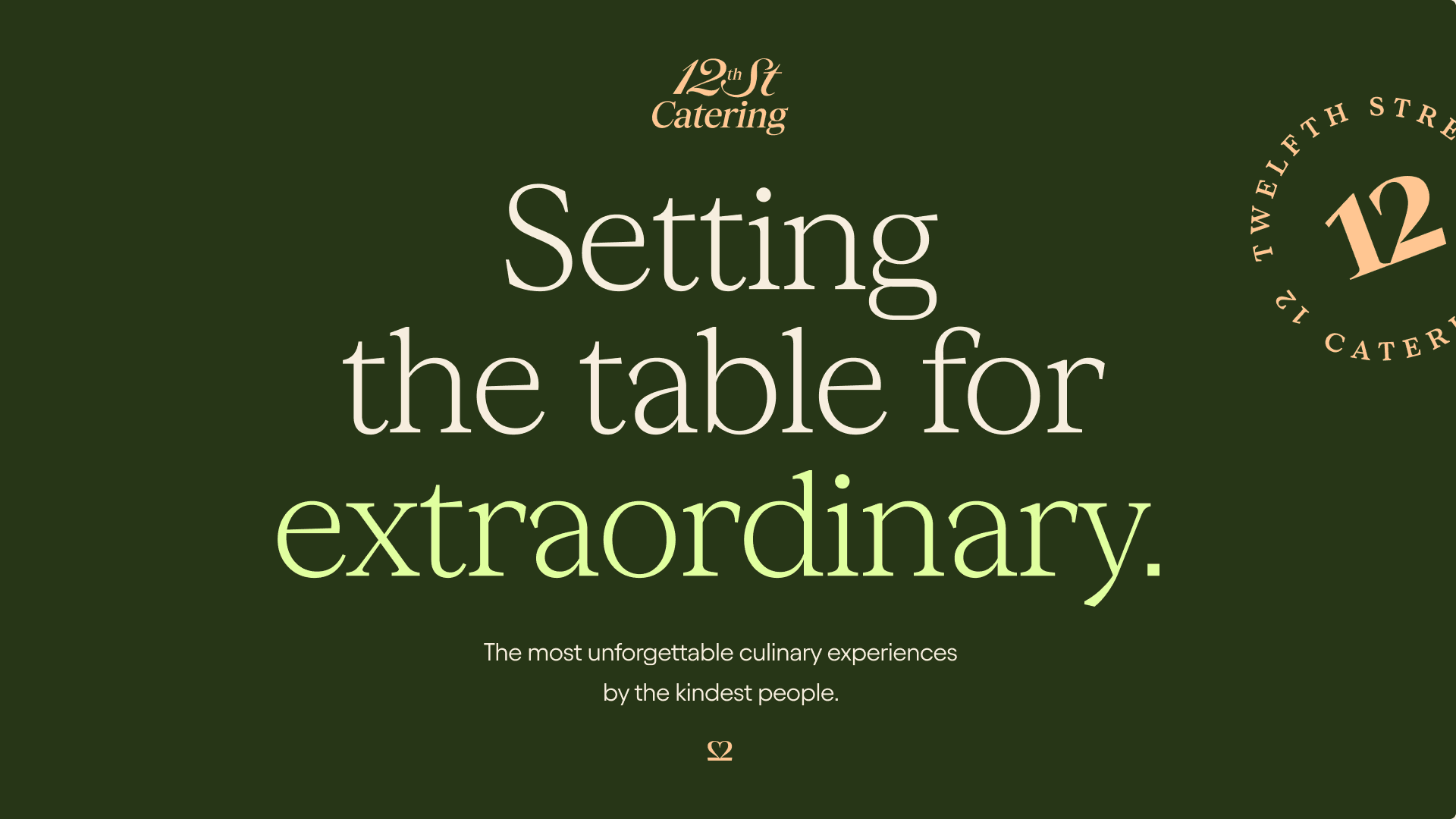
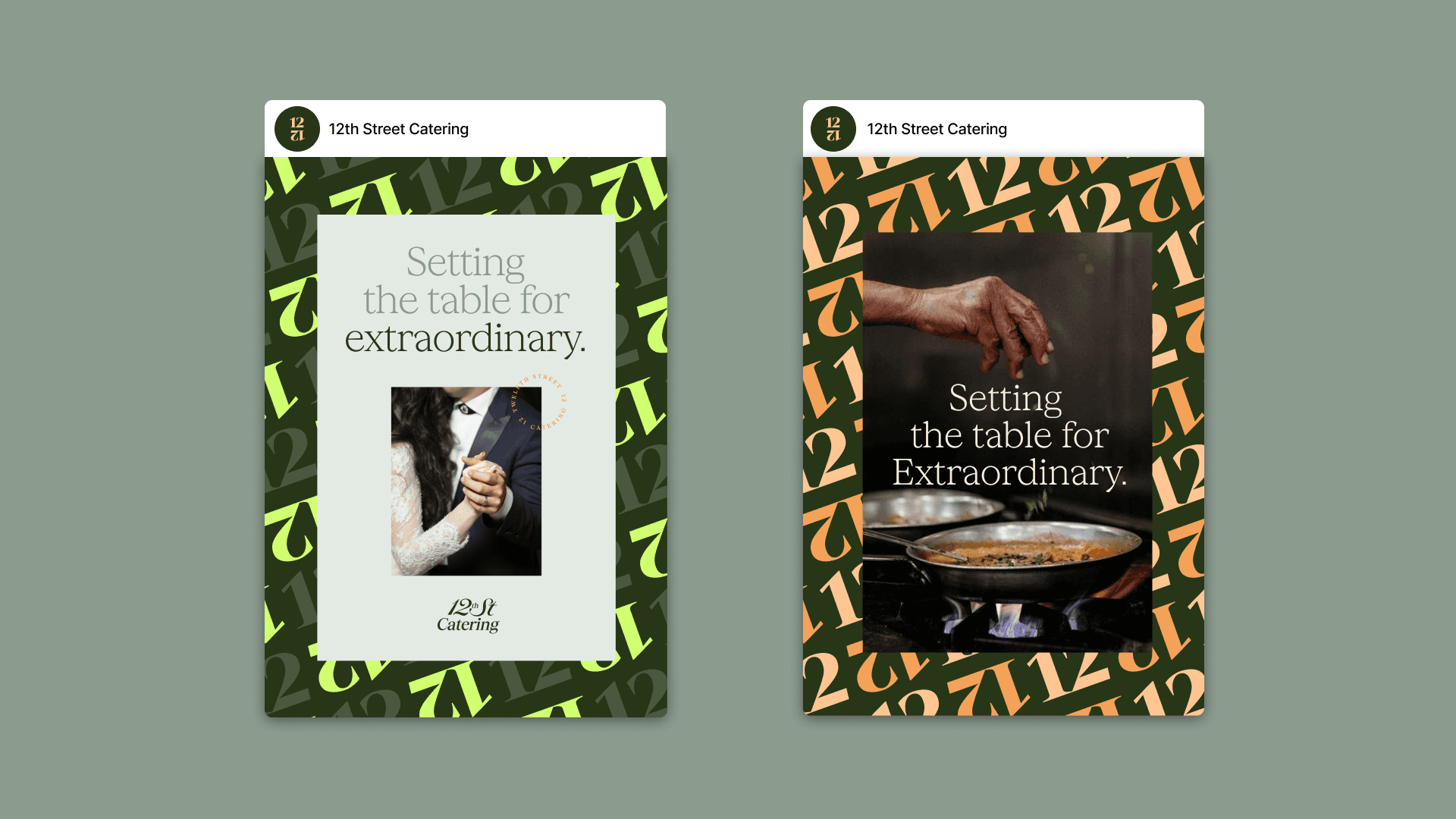
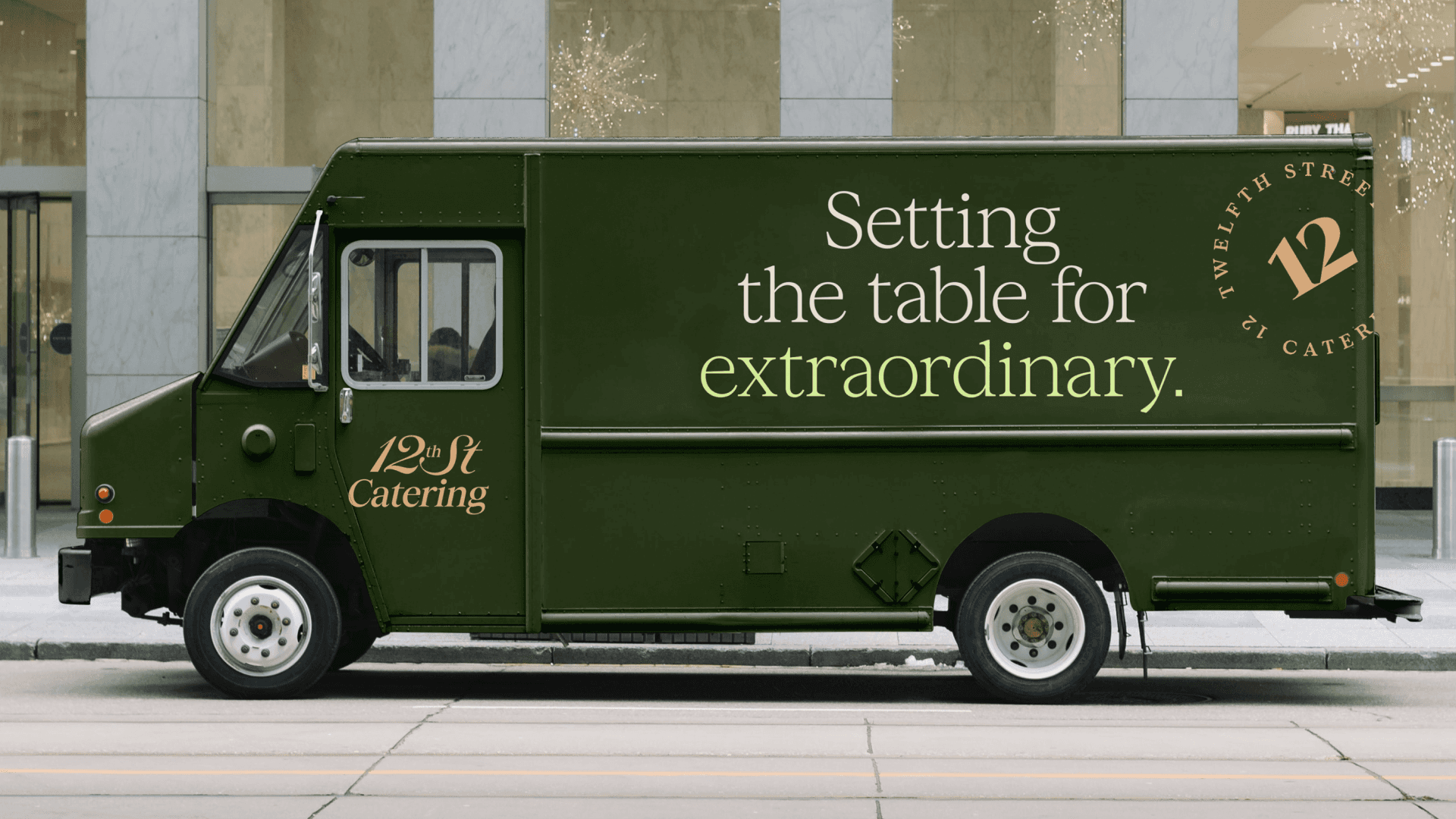
With the tension clearly named, we moved into the Core Idea System — the work of resolving those two truths into a single, repeatable idea. The result was five words: “Setting the table for extraordinary.”
Two halves. “Setting the table” carried the warmth — the gathering, the care, the human touch. “Extraordinary” carried the ambition — the craft, the quality, the elevated experience. The tension that had lived unresolved for years was resolved in a single line.
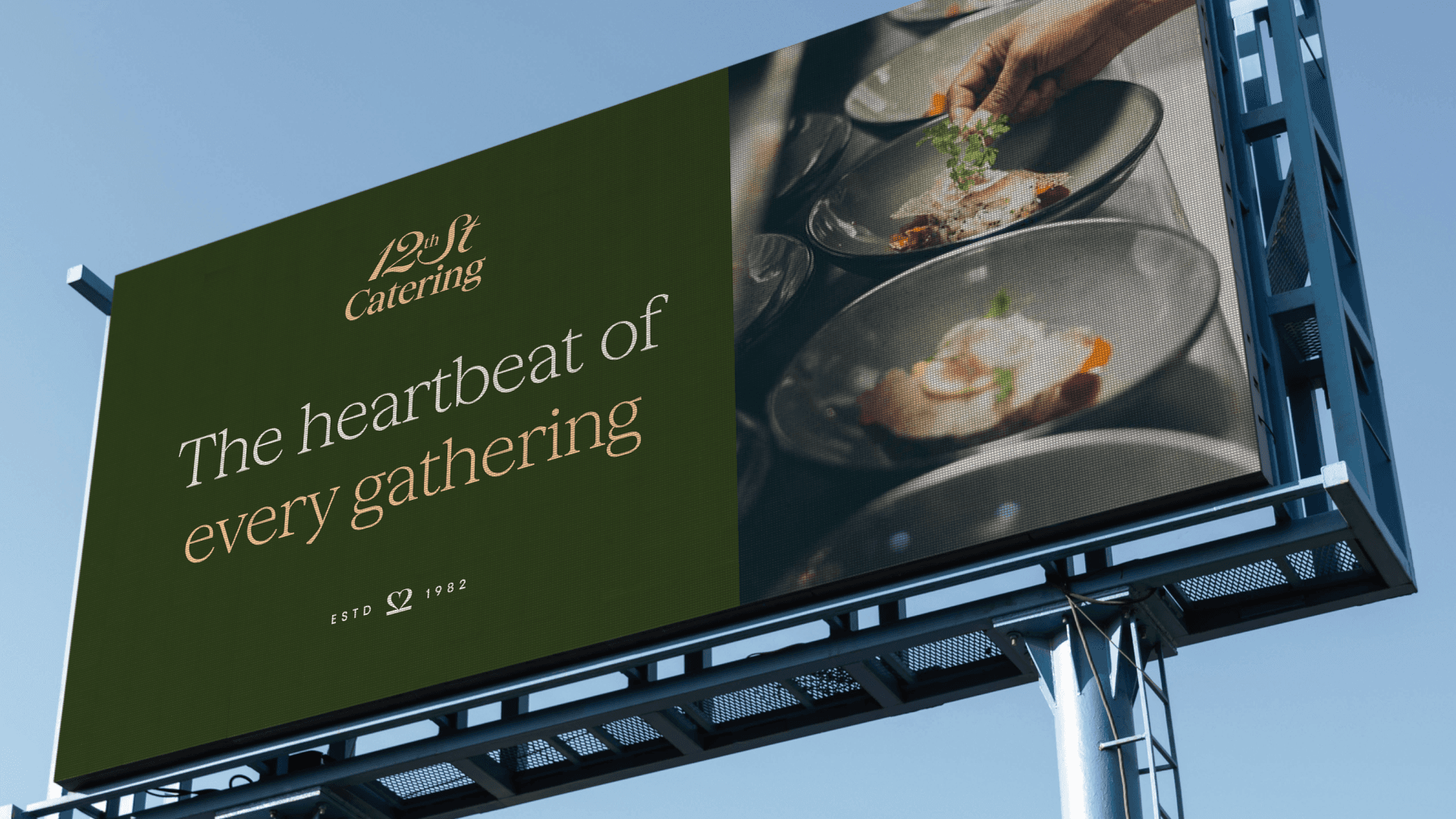
The Messaging System came next, structuring how the core idea would scale across every context. A secondary narrative line emerged: “The most incredible culinary experiences by the kindest people.” The sales and marketing teams now had shared language that carried both sides of the brand.
The Written Identity System followed, translating the core idea into language. “What is extraordinary?” became the organizing question behind every piece of copy, every email, every social caption.
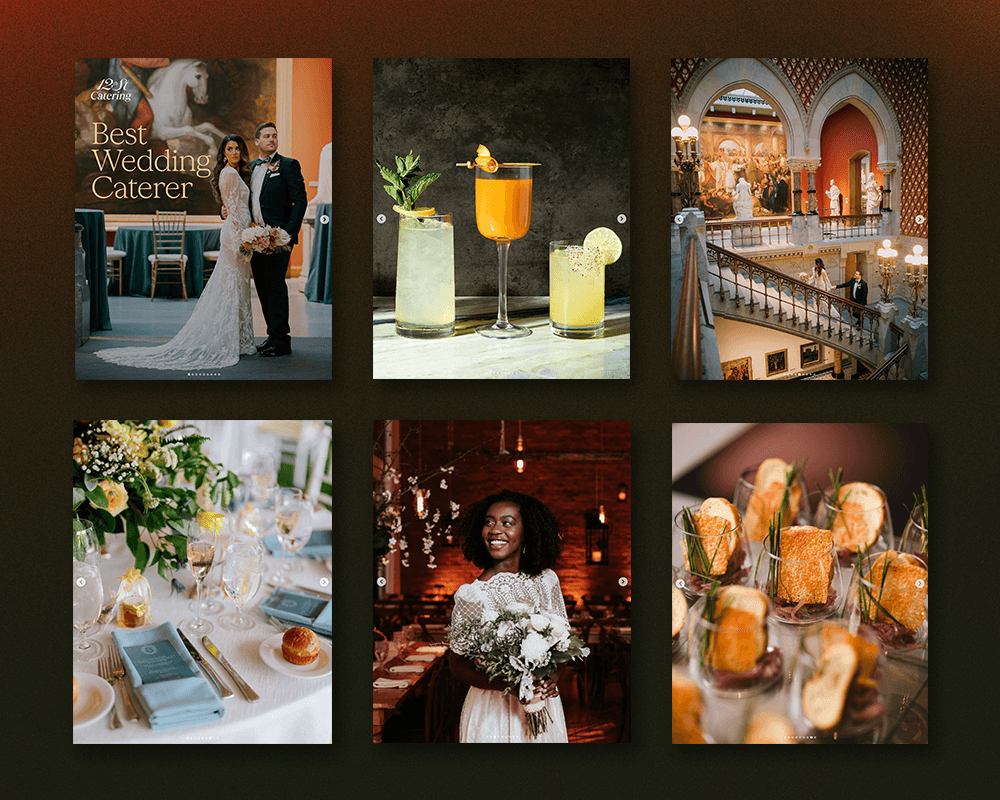
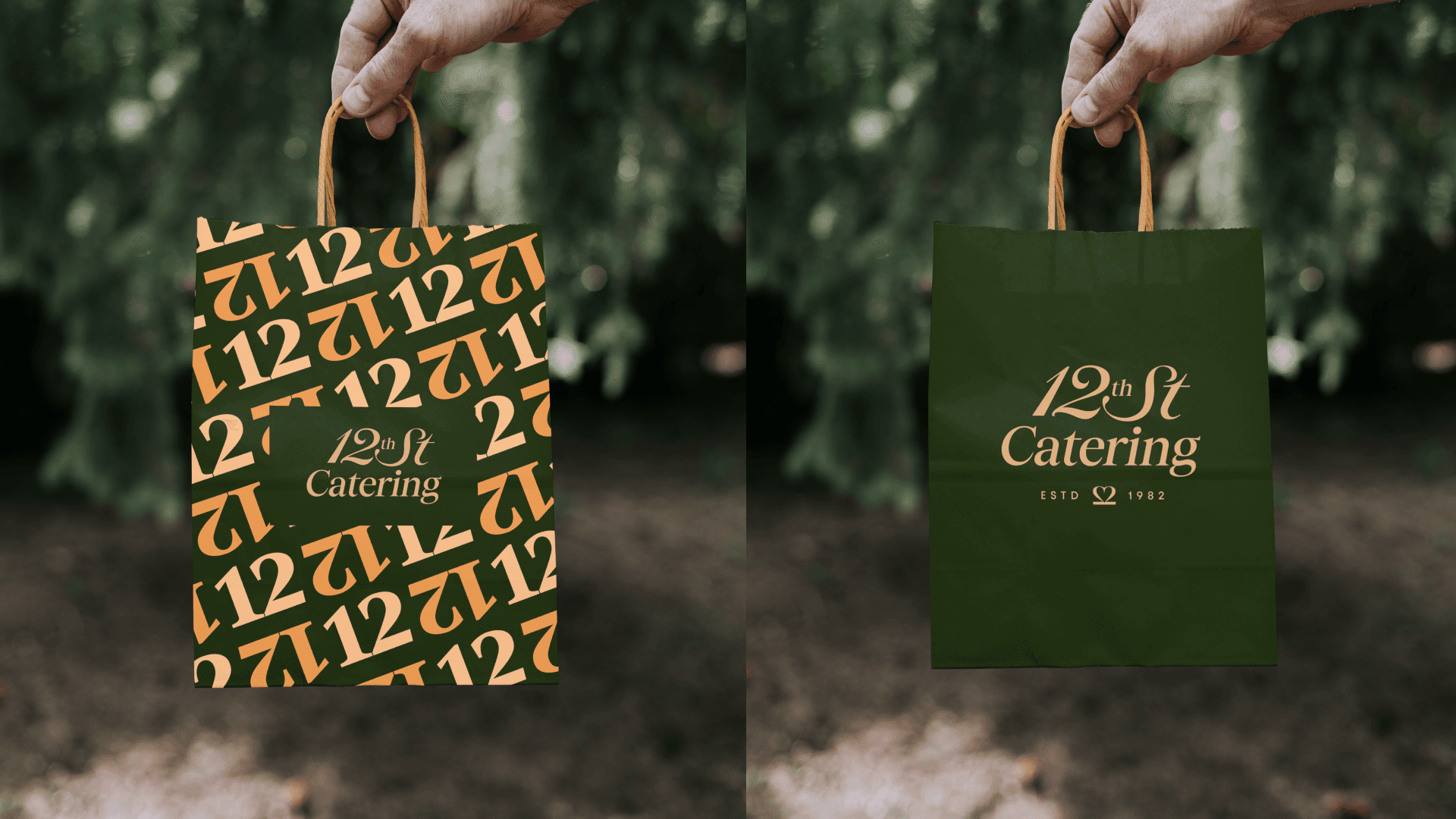
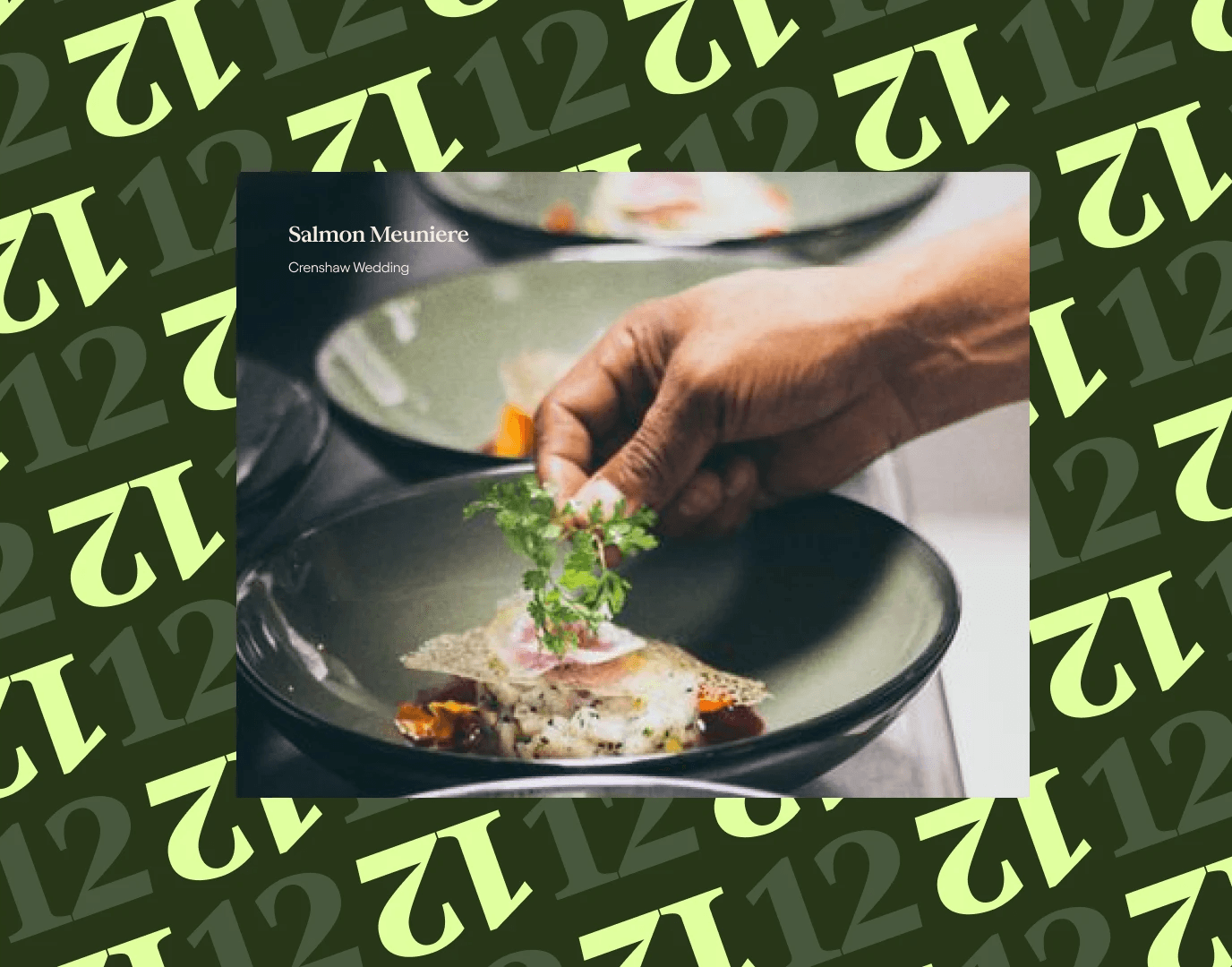
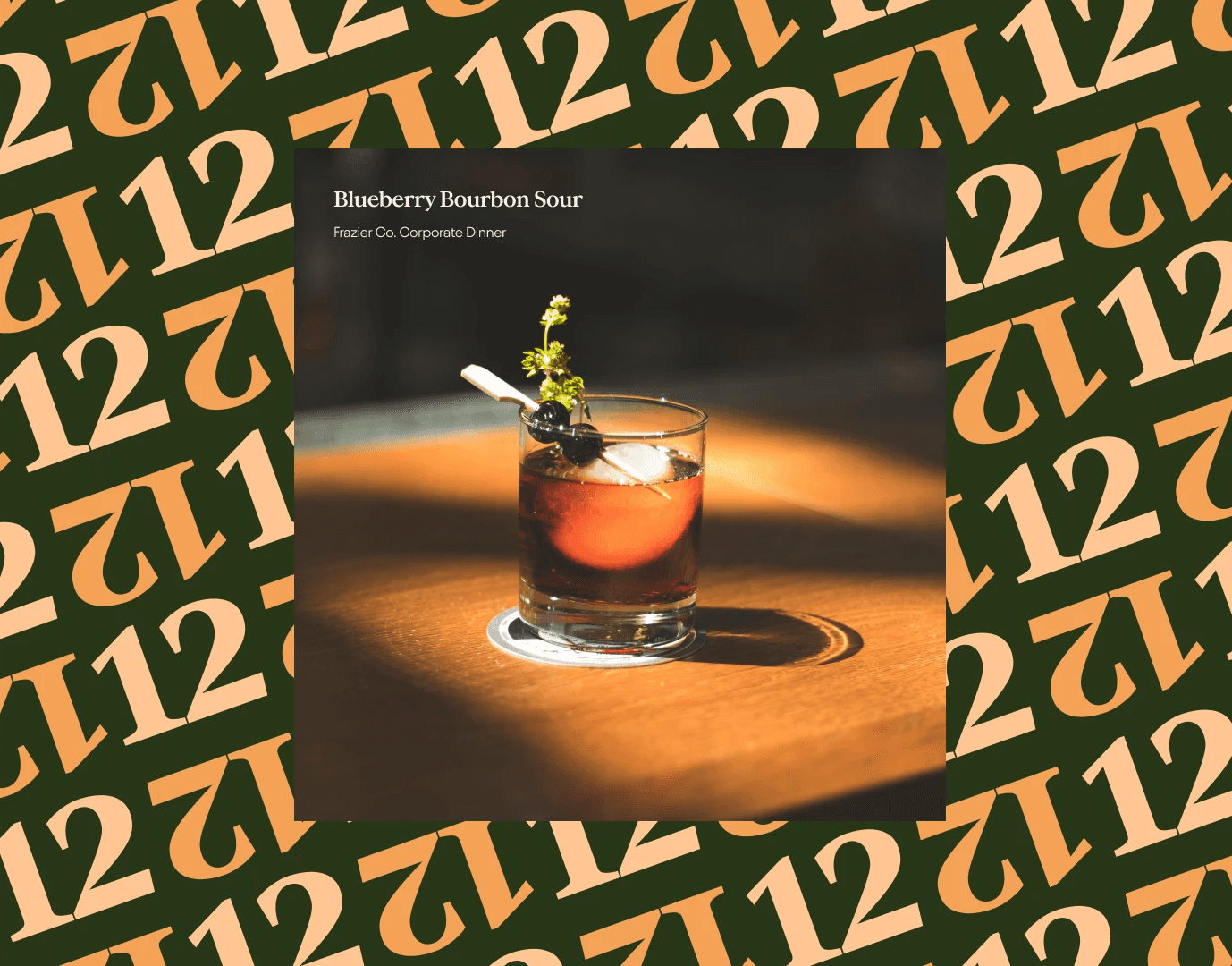
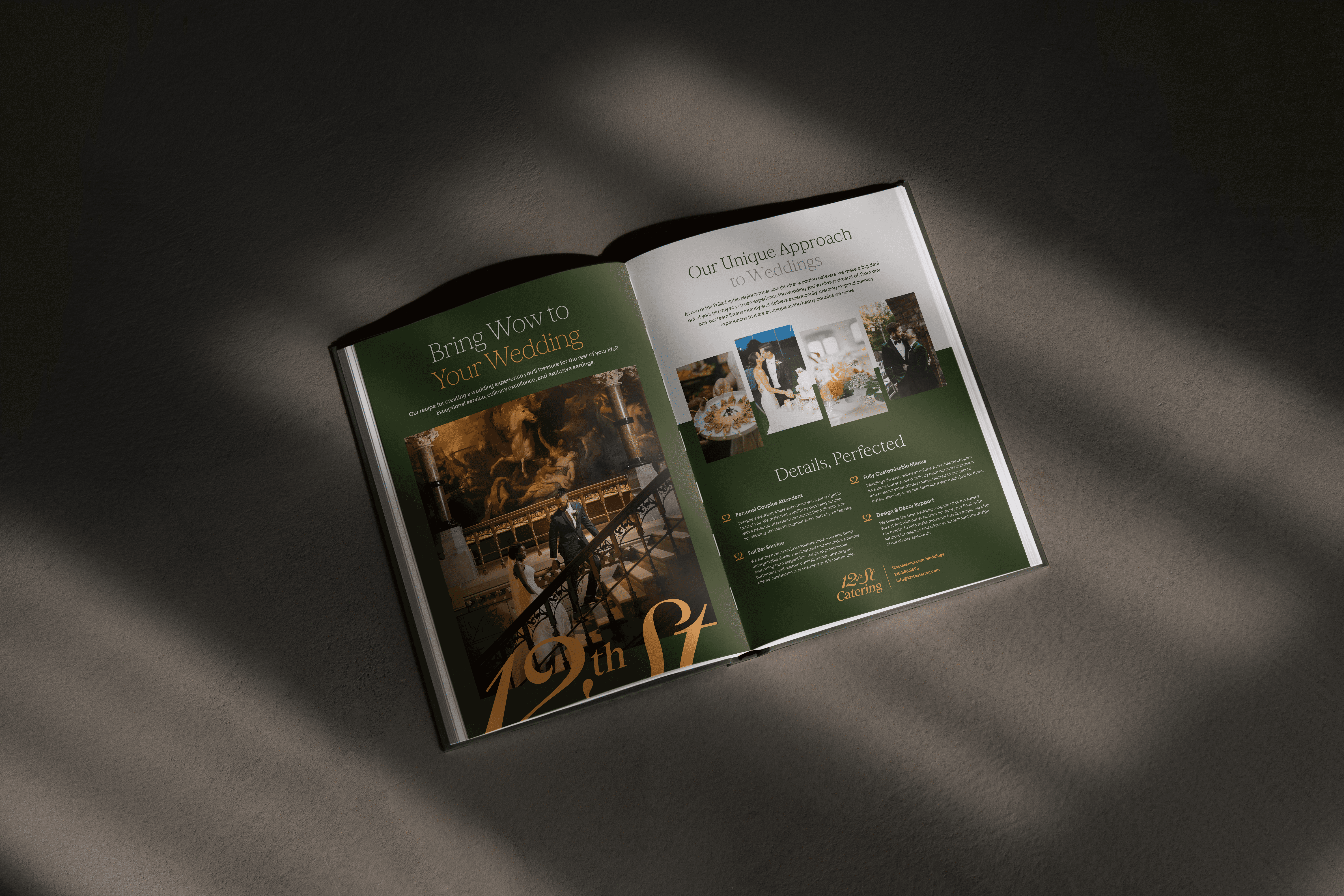
The Visual Identity System completed the sequence. Color, typography, imagery, motion — each decision answered the same question.
The work extended beyond the deliverables. The team now wears 12th Street pins everywhere they go, because that feels extraordinary. Staff training shifted to reinforce what “extraordinary” means at every level of the client experience. The brand stopped being something the marketing team managed and became something the entire company operated from.

The brand moved from fragmented to unified.
Before the engagement, every piece of communication emphasized something different. The photography said one thing, the website said another, the sales team said a third. After the engagement, every surface — digital, physical, human — pointed to the same idea. Decisions got faster. The sales team and marketing team found themselves speaking the same language. The team began recognizing itself in its own brand.
The downstream marketing work that followed — the new website, the digital strategy, the social and email programs — moved faster and performed better because it was no longer trying to compensate for a missing center. When the foundation was right, everything built on top of it got easier.
12th Street is ready for the next forty years of service. And the brand, for the first time, is ready to carry them there.
Next projects.
(2016-25©)