
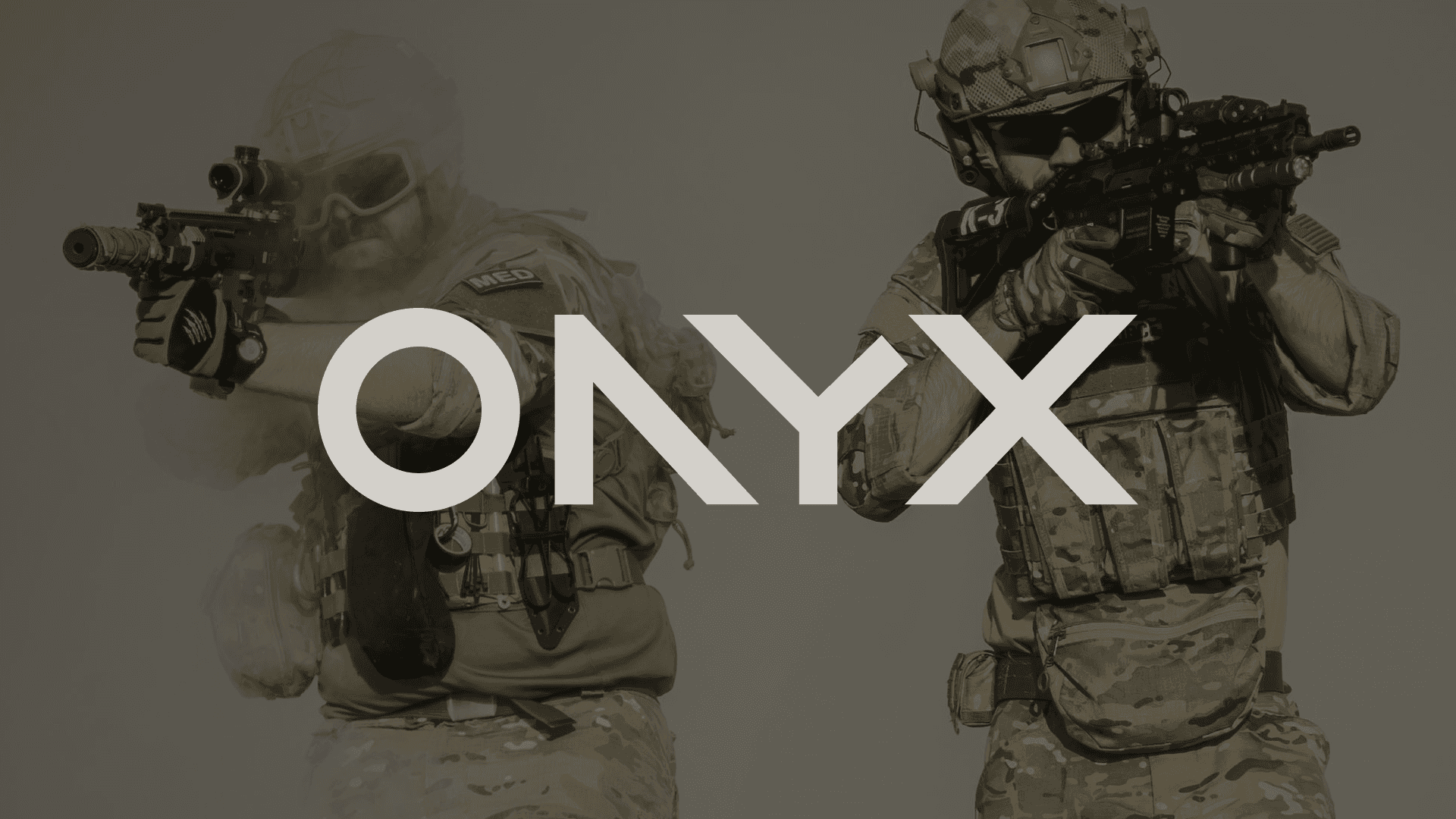

In 2024, Onyx Industries came to JWC with a growth problem unlike most. The company was a defense technology hardware startup — building remote weapon systems, wearables for parachutists, autonomous maritime propulsion, and ISR aircraft — for special operators in the U.S. military and allied NATO and Five Eyes markets. The products were real. The team was credible. The opportunity was significant.
What was missing was a commercial brand that could meet the moment. The website was outdated. The visual identity hadn’t kept pace with the capabilities. Product information was fragmented across spec sheets, PDFs, and sales conversations. Prospective buyers — operators, procurement officers, defense partners, and investors — couldn’t easily find or understand what Onyx actually did.
Onyx needed strategic and brand foundations that could carry a serious defense technology company into a market that doesn’t typically make room for newcomers.

As we worked through discovery, leadership interviews, and positioning sessions with the Onyx team, JWC ran its Tension System process and revealed the paradox at the center of the brand. Two, seemingly opposite ideas needed to be true at the same time.
Onyx needed to build credibility inside an industry that is structurally built to withhold it. Defense procurement rewards track record, relationships with primes, and years of demonstrated performance. Onyx was a startup. They had real products, a real team, and real capability — but not the institutional pedigree the industry instinctively trusts.
On top of that, they couldn’t openly show the usual proof points that would accelerate credibility. Named customers, specific deployments, operational data — much of what a defense company typically uses to prove its worth lives behind classification. The usual shortcuts to trust were not available.
Onyx had to build credibility from a standing start, in an industry that rarely rewards standing starts, without the ability to openly show the work that would normally help.


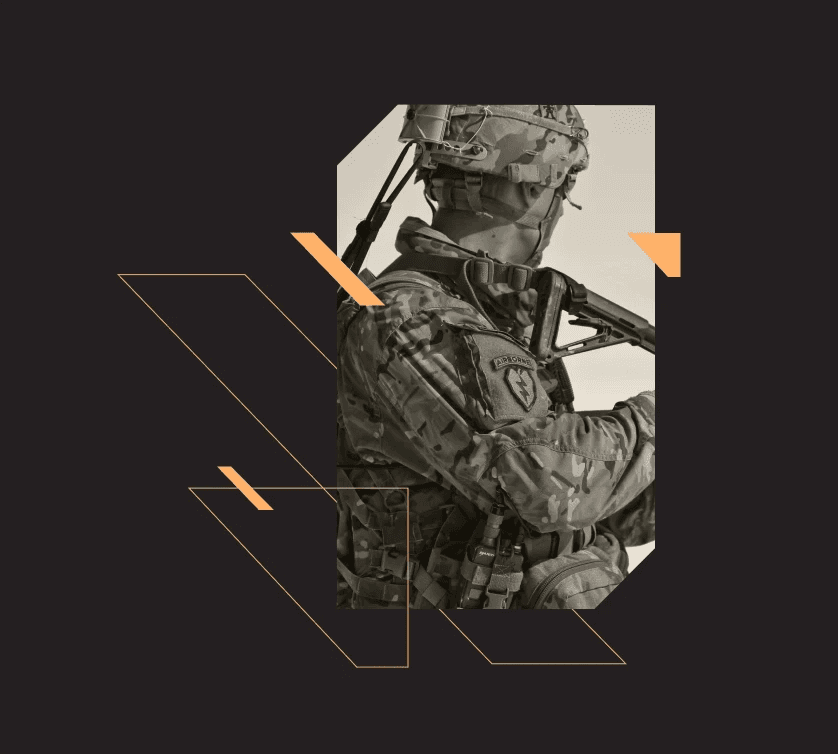
Discovery surfaced the answer. Onyx’s leadership team wasn’t just experienced in defense — they had been the operators their products were built for. The CEO was a Navy and Air Force veteran with years of tactical operations experience. The COO had led programs inside the Intelligence Community and the Department of Defense. The team had already lived the missions their products were designed to support.
In a market that trusts operators more than institutions, that was the credibility unlock. Onyx’s real differentiator wasn’t any individual product — it was that every product was designed around the operator, by the kind of people who had been the operator. The brand didn’t need to borrow credibility from incumbents or wait years to earn the institutional kind. It could earn credibility the way defense tech actually earns it in the field: operator to operator. That insight became the input to every layer that followed.
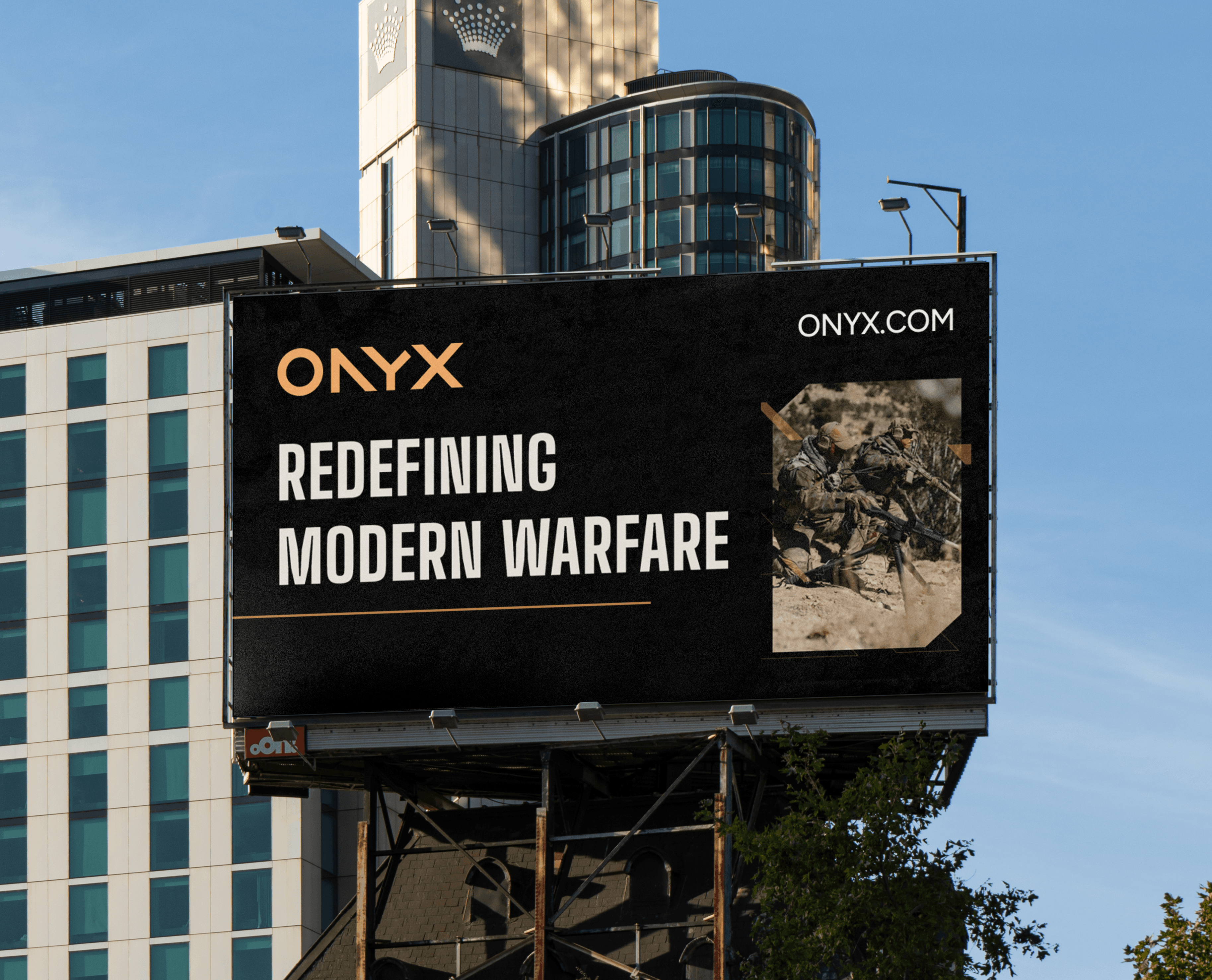
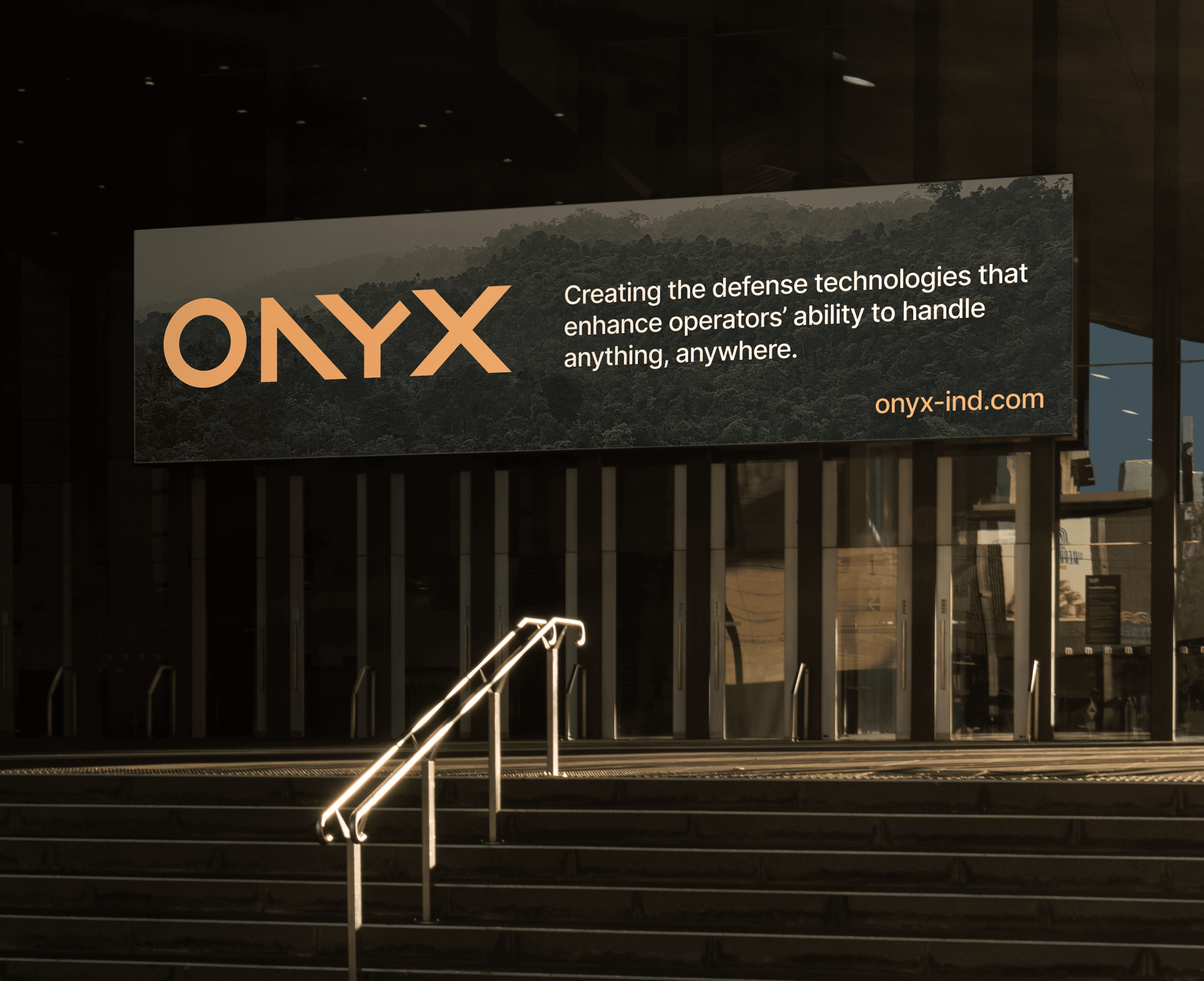
The engagement worked through Strategic Foundations and Brand Foundations, then executed the public-facing assets the foundations made possible.
Strategic Foundations
The work started with Strategic Foundations. The ICP Spectrum System defined who Onyx was actually built to serve — special operations buyers in the U.S. military, NATO and FVEY procurement teams, defense industry partners, specialized law enforcement units, and defense-focused investors. The Positioning System resolved what Onyx was in the market: not another defense prime, not a generic hardware vendor, not a commercial product retrofitted for military use. An operator-first defense technology company — purpose-built to multiply human impact on the battlefield, designed by the kind of people who had been on those battlefields. The Market Focus System sequenced the launch — which product categories and geographic markets to prioritize first, and which to build toward next.
Brand Foundations
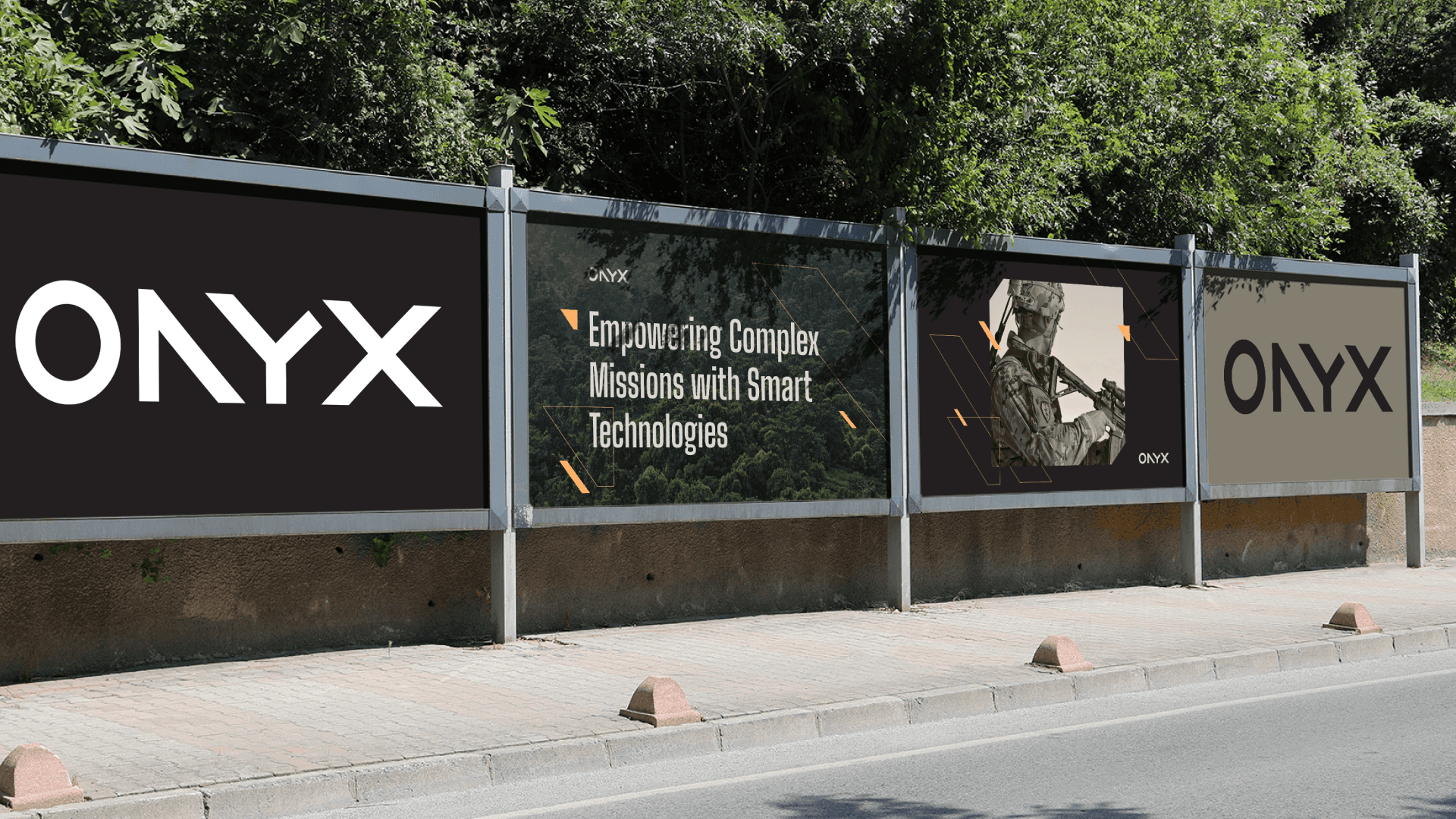
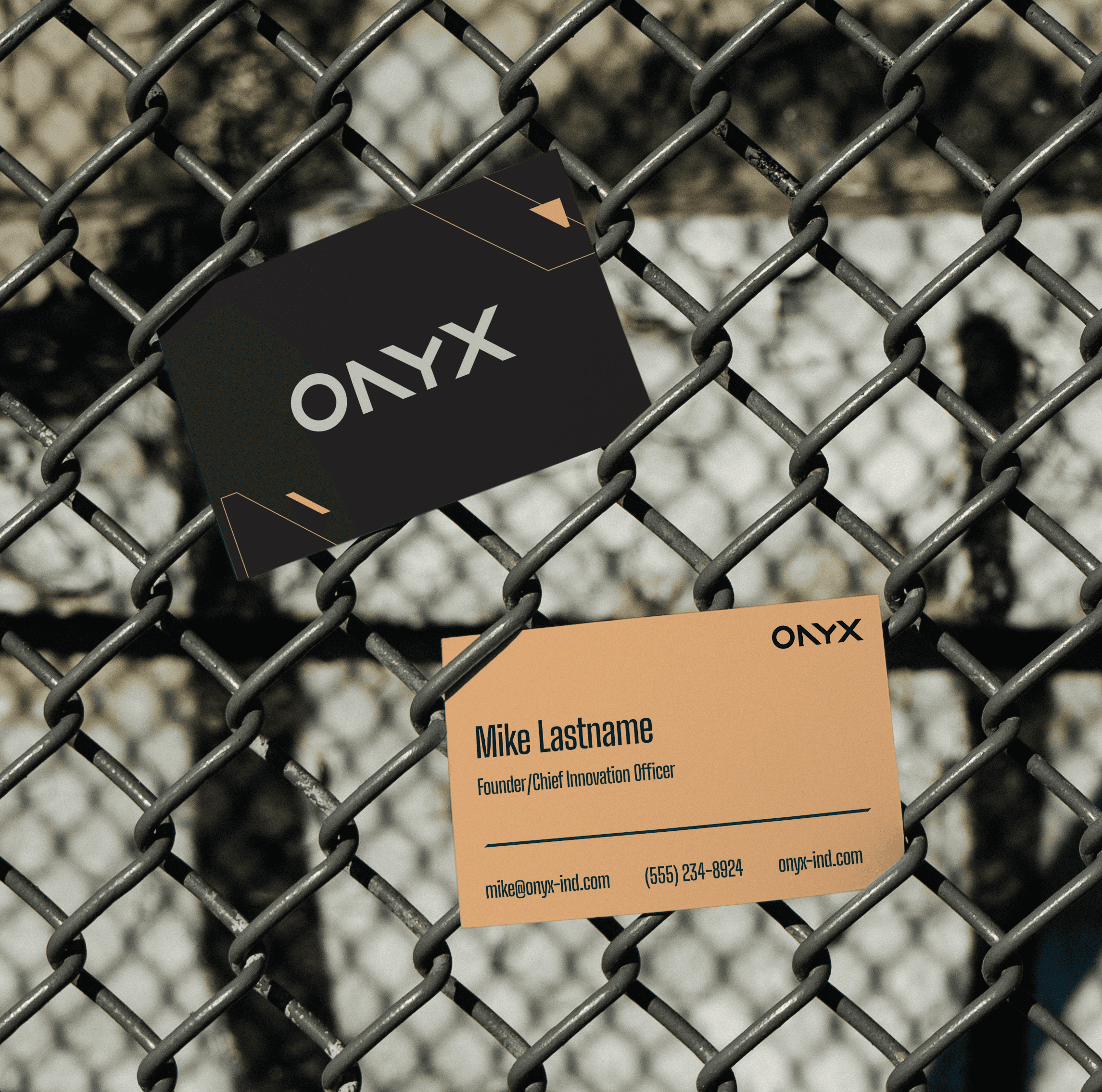
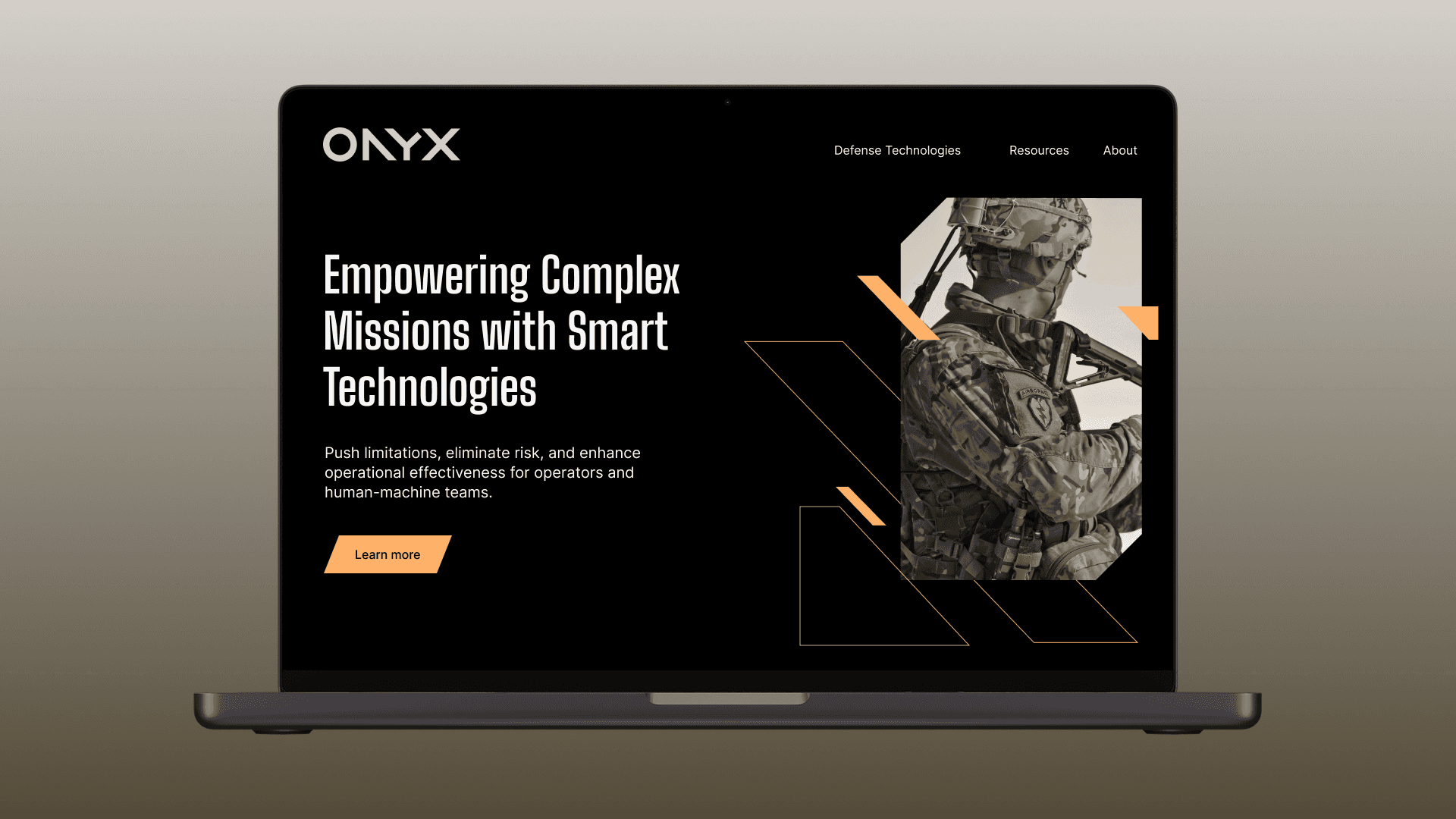
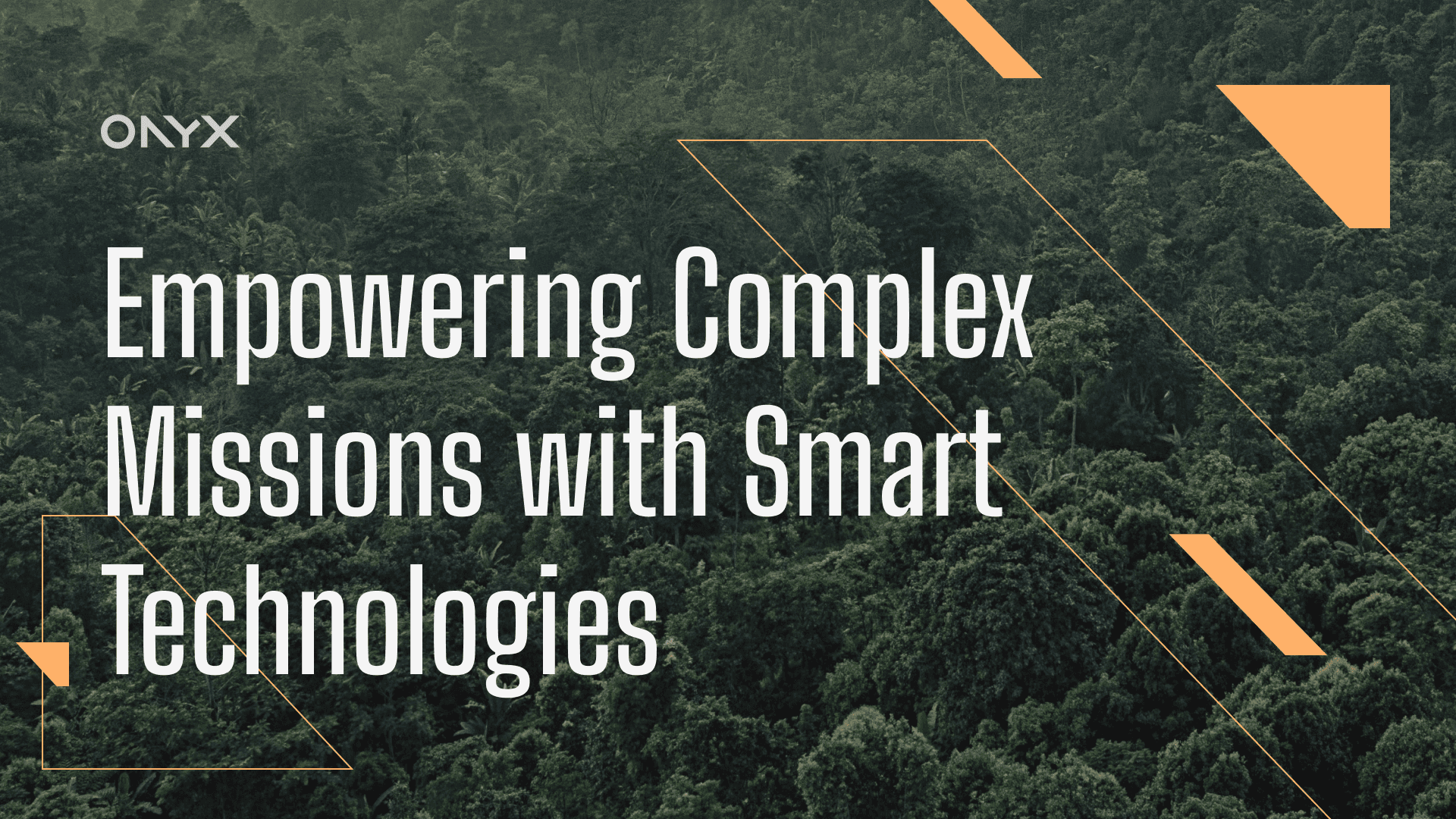
That positioning decision became the input to Brand Foundations. The Core Idea System resolved the startup-vs-industry credibility tension into a single, repeatable brand posture: technologies that multiply human impact on the battlefield. The operator became the hero of every message — which also resolved the classification constraint, because a brand built around what operators can do never needs to disclose which operators, or where, or when. The Messaging System structured how the idea scaled across the entire product line, giving every product page the same underlying pattern: name the operator, name the capability, show how Onyx extends what is possible. The Written Identity System defined the voice: authoritative but human, technical but readable, confident without being performative. The Visual Identity System gave Onyx a presence that matched the posture — serious, modern, operationally credible, without leaning on the clichés that most defense brands default to.
Execution: the website and supporting systems
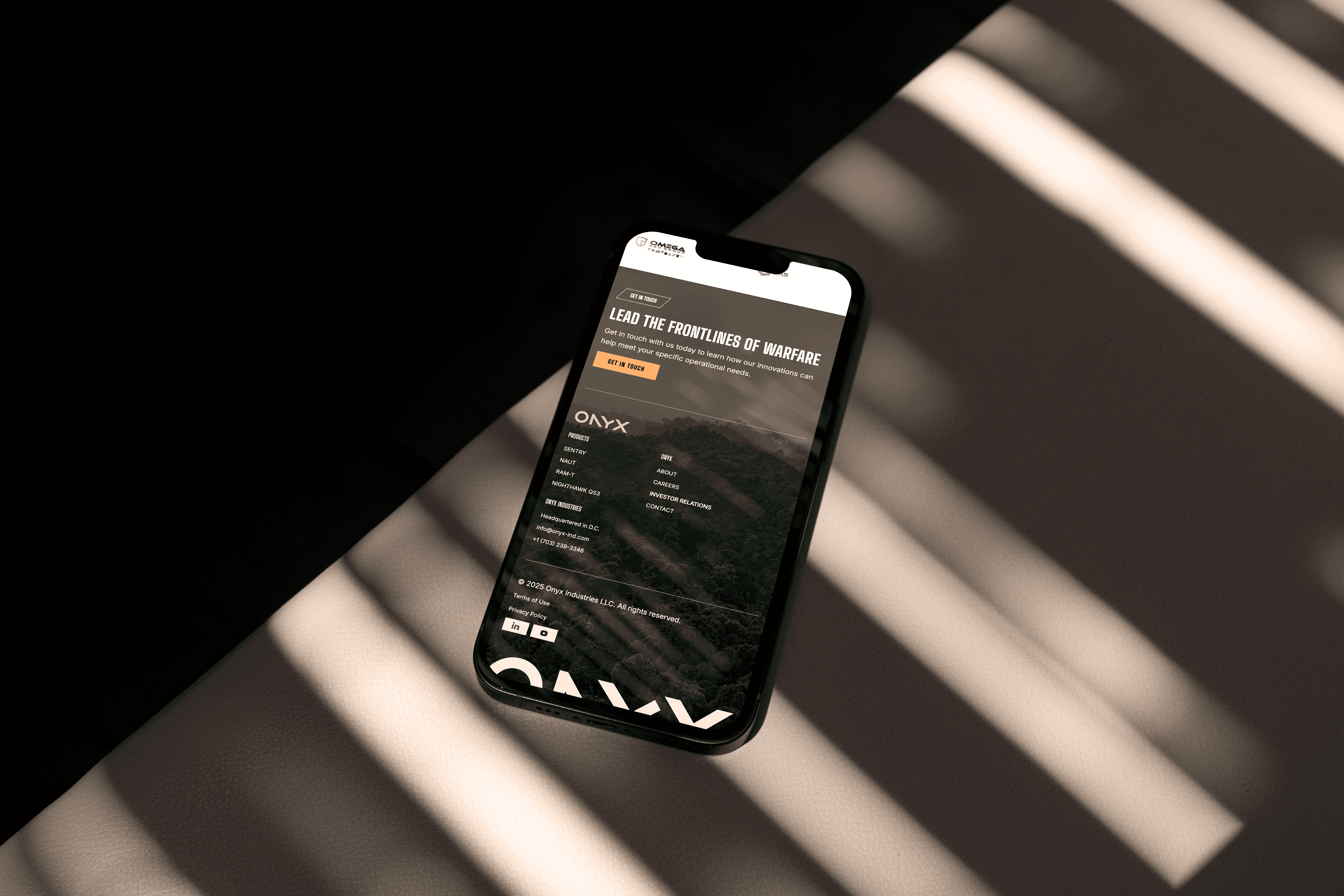
With the foundations set, the engagement moved into execution — turning the strategic and brand work into the public-facing assets Onyx needed to operate in the market. A new website was designed and developed, with full product pages for SENTRY, FYNDER, RAM-T, NAUT, and NIGHTHAWK QS3, an About and Leadership section that made the operator DNA visible, and a news feed to give the team a place to publish updates, event coverage, and announcements. Product spec sheets were rewritten and redesigned to carry the brand forward into sales conversations. A CRM was selected and implemented. Newsletter functionality was set up for investor and partner communications. The foundational work didn’t just live in a strategy document — it shipped into the assets Onyx uses every day.

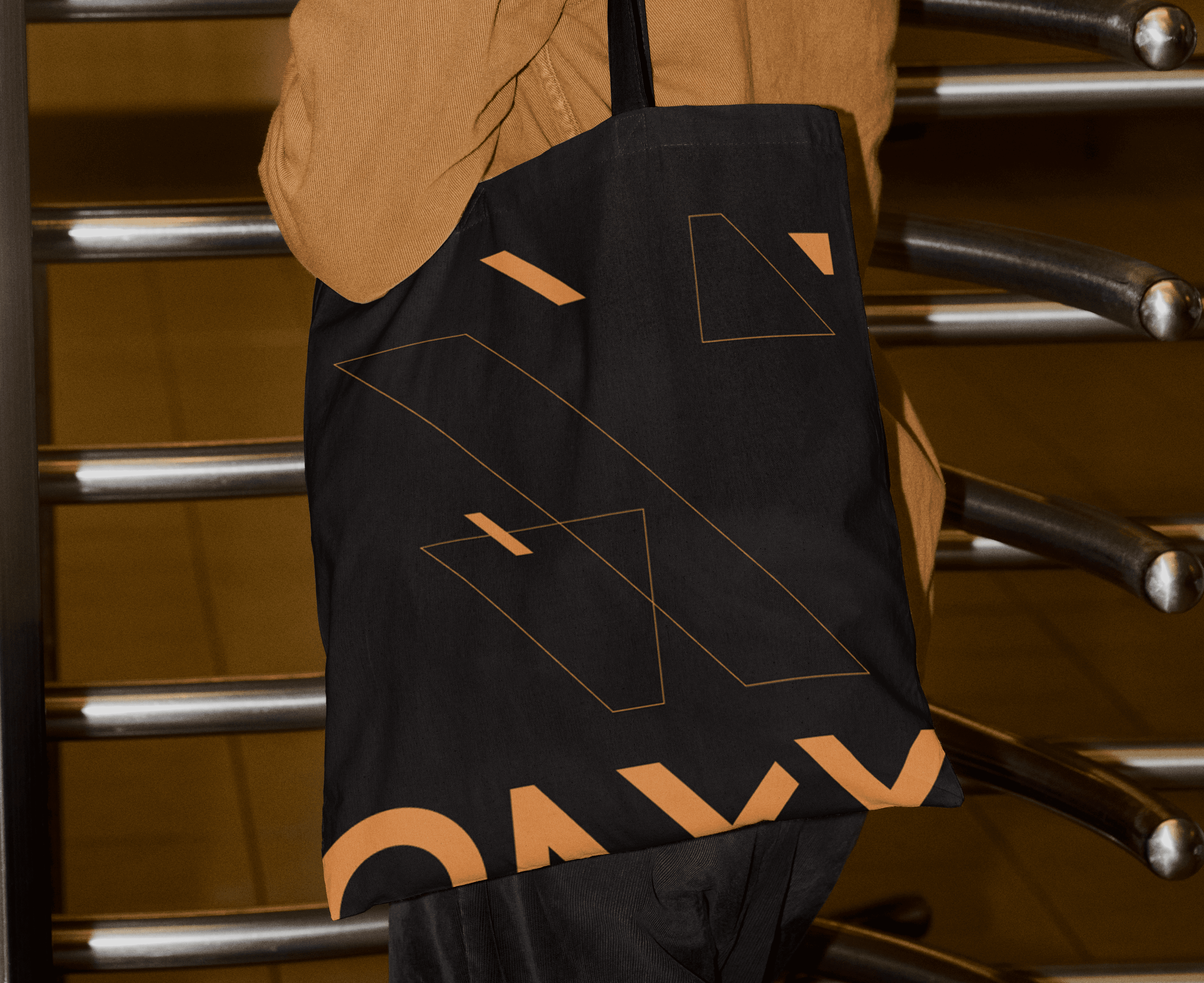
Onyx stopped looking like a startup and started looking like the operator-first defense technology company they had always actually been.
Before the engagement, the company had real products and real capabilities, but the market experience of the brand didn’t match. Buyers had to work to understand what Onyx did. Partners had to work to see why Onyx mattered. After the engagement, the brand was doing the work up front. The website spoke the language of the operators it served. Product information flowed consistently across spec sheets, presentations, and sales conversations. The brand made the capability legible without ever needing to cross classification lines.
The downstream effect was felt across the business. Sales conversations started with a clearer sense of what Onyx actually was. Partner relationships strengthened because the public-facing brand now matched the private-facing capability. Investor and industry visibility improved. The team had a commercial brand they could carry into bigger defense markets without starting from scratch every time.
Onyx went from a capable company that was hard to see to a capable company whose brand told the story — even in an industry where the real story often stays behind the curtain.
Next projects.
(2016-25©)